
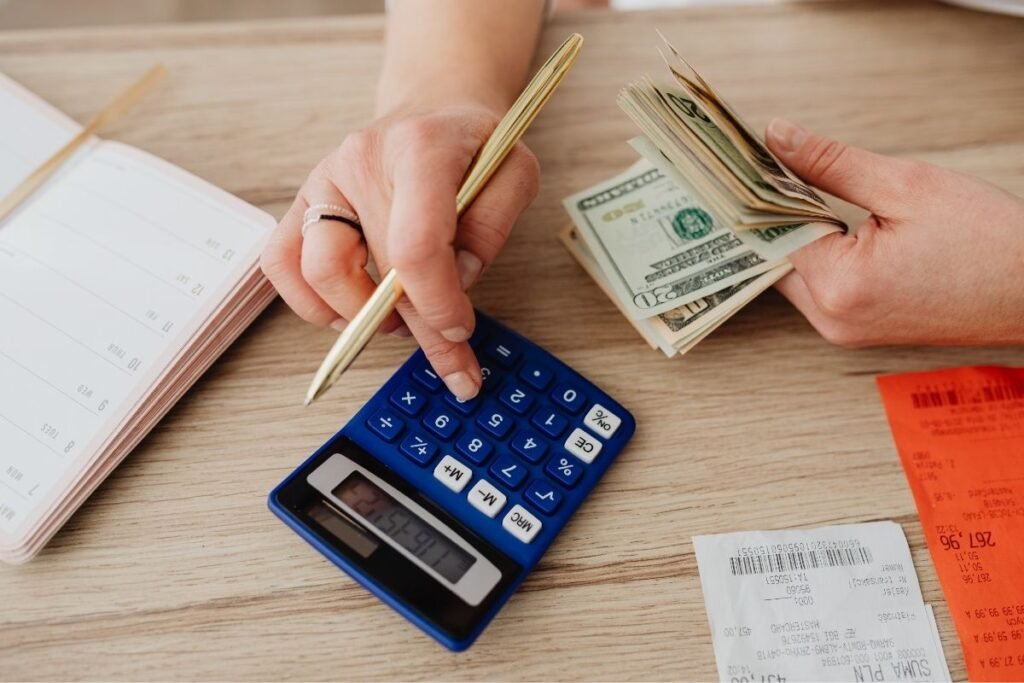
Sometimes money disappears without much thought. A snack here, a quick online order there, a takeout meal, a sale you did not plan for, and suddenly your budget feels tighter than expected. That is why no spend challenge ideas can be so helpful. A no spend challenge gives you a clear break from unnecessary spending so you can notice your habits, save money, and feel more in control again.
The best part is that a no spend challenge does not have to be extreme. It is not about punishing yourself or pretending you never need to spend money. It is about pausing non-essential purchases for a set time so you can reset your habits and make more intentional choices. Whether you want to cut impulse spending, save for a goal, or just stop money from slipping away so easily, there is usually a no spend challenge style that fits your life.
What Is a No Spend Challenge?
A no spend challenge is a money-saving challenge where you avoid unnecessary spending for a set period of time. That period could be one day, one weekend, one week, one month, or any custom time frame that works for you.
The key idea is that essential expenses are still allowed. Rent, bills, groceries, medicine, and important transport usually still count as necessary spending. What you are trying to pause is the extra spending that often happens without much thought, like shopping, takeout, entertainment purchases, coffee runs, and random online orders.
That is what makes this challenge useful. It is not about stopping all spending. It is about learning to separate what you truly need from what you buy out of habit, boredom, emotion, or convenience.
Why No Spend Challenges Work

No spend challenges work because they create awareness fast. When you tell yourself that non-essential spending is off-limits for a short time, you suddenly notice how often you normally feel tempted to buy things. That awareness is powerful.
They also work because they interrupt automatic habits. A lot of spending is not deeply planned. It happens because it is easy, because you are tired, because you are scrolling, or because something is on sale. A no spend challenge breaks that pattern and gives you a chance to think before spending.
This kind of challenge can also help with savings goals. Even a short challenge can free up money quickly, especially if you normally spend on takeout, shopping, small treats, or impulse purchases. On top of that, it builds stronger self-control and makes regular budgeting easier afterward because you understand your habits more clearly.
Also read: How to Budget Money and Stop Overspending Each Month
What Counts as Spending in a No Spend Challenge?
This depends on your rules, but most no spend challenges separate spending into essential and non-essential categories.
Essential spending usually includes things like rent, utilities, basic groceries, medicine, transport for work or school, and other core bills. These are the costs you still need to cover to keep life moving normally.
Non-essential spending usually includes takeout, food delivery, clothes shopping, beauty extras, online deals, home decor, hobby purchases, paid entertainment, snacks, café drinks, and random shopping trips.
The important thing is to decide your rules before the challenge starts. If you leave everything vague, it becomes easier to make excuses. A no spend challenge works better when you define clearly what is allowed and what is not.
How to Set Up a No Spend Challenge
1. Pick a Time Frame
Start by choosing how long your challenge will last. This could be a no spend day, a no spend weekend, a no spend week, or a no spend month. Beginners usually do better with shorter challenges first because they feel easier and less overwhelming.
A shorter challenge also helps you learn what triggers your spending without putting too much pressure on yourself. Once you build confidence, you can always try a longer version later.
2. Choose Your Rules
Decide what spending is allowed and what is off-limits. You may allow groceries, bills, medicine, and transport, but ban takeout, shopping, café drinks, entertainment purchases, and online browsing that leads to buying.
Your rules should match your real life. The challenge should be clear, but not unrealistic. If the rules make no sense for your situation, you are more likely to quit early.
3. Set a Goal
A no spend challenge works better when it has a purpose. Maybe you want to save $100. Maybe you want to stop emotional spending. Maybe you need to prepare for a bill, build a small savings cushion, or reset bad habits after a heavy spending month.
A clear goal makes the challenge feel more meaningful. It becomes easier to say no to spending when you know what you are protecting.
4. Plan Ahead
Planning makes the challenge much easier. Buy groceries in advance. Think about meals. Prepare free entertainment options. Check whether you need transport, medicine, or other essentials so you are not forced into last-minute spending decisions.
A no spend challenge usually fails when people do not prepare. They get hungry, bored, or caught off guard, and then spending feels unavoidable. A little planning protects you from that.
5. Track Your Progress
Use a notebook, phone note, app, calendar, or printable tracker to mark each day of the challenge. Tracking helps because it turns your effort into something visible. Seeing a streak build can feel motivating.
It also helps you notice patterns. If one day feels harder than another, you can ask why. That reflection makes the challenge more useful beyond just the money saved.
No Spend Challenge Ideas to Try
1. One-Day No Spend Challenge
This is one of the easiest no spend challenge ideas for beginners. For one full day, avoid all non-essential spending. No takeout, no impulse shopping, no café drinks, no online orders.
This type of challenge builds confidence because it feels simple enough to complete. It is a great starting point if you have never tried any spending reset before.
2. Weekend No Spend Challenge
A weekend no spend challenge works well if you usually spend more on food, shopping, outings, or entertainment at the end of the week. For one weekend, try using what you already have and avoid all non-essential purchases.
This short reset can show you just how much money slips away in only two days when there is no real plan behind it.
3. One-Week No Spend Challenge
A no spend week gives you more time to notice daily habits. You may discover that your main triggers are snacks, online scrolling, coffee runs, food delivery, or emotional shopping after stressful days.
Seven days is long enough to learn something useful but still short enough to feel possible for most beginners.
4. No Spend Month Challenge
A no spend month is a stronger reset. It is usually best for people who already understand their spending habits a little and want a bigger challenge. This option works well if you are trying to save aggressively, recover from a heavy spending month, or reset a pattern of impulse shopping.
It takes more planning than the shorter versions, but it can create much bigger savings and much more awareness.
5. No Spend Grocery Challenge
This challenge focuses on using what is already in your kitchen before buying more. It is one of the best no spend challenge ideas for cutting food waste and lowering grocery bills. You may still need essentials like milk, eggs, or produce, but the goal is to shop as little as possible and work through what you already have.
This is often surprisingly satisfying because it combines saving money with using things more intentionally.
6. No Spend Takeout Challenge
If food delivery or restaurant spending is one of your weak spots, try pausing takeout completely for a set period. Cook simple meals at home and use what is already in your kitchen as much as possible.
This type of challenge can save money very quickly, especially if takeout happens more often than you realize.
7. No Spend Shopping Challenge
This challenge focuses on pausing categories like clothes, beauty products, decor, books, accessories, and online deals. It is especially useful if scrolling and browsing often turn into unnecessary purchases.
You may not notice how much you spend in these areas until you try stopping for a while. That is exactly why this challenge works so well.
8. No Spend App and Subscription Challenge
Pause paid apps, streaming extras, premium memberships, and services you do not really need for a month. Some subscriptions quietly drain money because they feel small and automatic.
This challenge is useful because it lowers recurring spending, not just one-time purchases. That can create savings even after the challenge ends.
9. Family No Spend Challenge
A family version can make the challenge feel more fun and less restrictive. Focus on pantry meals, free activities, home movie nights, outdoor time, and using what you already have.
This is one of the best no spend challenge ideas for families because it turns saving into a shared goal instead of one person carrying the whole effort alone.
10. No Spend Challenge With a Savings Goal
This version connects the challenge directly to a number. Maybe the goal is saving $100, $200, or more. Each time you avoid a non-essential purchase, track the amount saved.
This can feel especially motivating because you see the reward building clearly instead of just “not spending” in a vague way.
No Spend Challenge Ideas for Beginners
If you are new to this, start small. A one-day or weekend challenge is often better than jumping straight into a full month. You can also focus on one category first, such as no takeout, no shopping, or no online orders.
Simple rules work best in the beginning. You do not need to turn this into a perfect test. The goal is awareness, not punishment. A challenge that feels manageable teaches more than one that feels impossible.
It also helps to remember that one mistake does not ruin the whole challenge. Beginners often give up too quickly after one slip, but the real value comes from continuing and learning from what happened.
No Spend Challenge Ideas for Families
Families can do this in a fun way by replacing paid activities with free ones. Home movie nights, board games, baking together, using pantry meals, outdoor walks, and low-cost creative activities can all make the challenge feel lighter.
It also helps to explain the goal clearly. If everyone understands that the challenge is about saving for something useful or resetting habits, they are more likely to support it.
A family challenge often works best when it feels like teamwork instead of restriction.
No Spend Challenge Ideas for Students
Students often deal with limited money and lots of temptation. That makes no spend challenges especially useful. A no café drink week, no takeout week, or no late-night app order challenge can save money surprisingly fast.
Students can also focus on bringing food from home, using free campus events, pausing online shopping, and setting a weekly savings target tied to the challenge.
The key is to make the challenge realistic. A student does not need a perfect system. They just need a clearer way to stop small purchases from quietly taking over the week.
Common Mistakes During a No Spend Challenge
One common mistake is making the rules too strict. When the challenge feels extreme, it becomes harder to stick with and easier to resent. Another mistake is failing to plan ahead, especially around food and daily routines.
Some people also spend heavily right before the challenge starts, which defeats the purpose. Others give up after one slip and decide the whole thing is ruined. That is not helpful. A challenge is still useful even if it is not perfect.
Another mistake is treating the challenge like punishment. It works better when it feels like a reset, not a miserable test of self-control.
Tips to Make a No Spend Challenge Easier
Remove shopping apps from your phone if they tempt you. Unsubscribe from sales emails. Keep your goal visible somewhere you will see it. Plan free activities ahead of time so boredom does not push you toward spending.
It also helps to use what you already have. Cook from your pantry. Read books you already own. Watch what is already available. Wear clothes you already have. Use the challenge as a reminder that enough may already be in front of you.
Tracking daily wins can help a lot too. Seeing progress makes the challenge feel more rewarding.
Free Things to Do During a No Spend Challenge
Boredom can make any no spend challenge harder, so it helps to have free alternatives ready. You can go for walks, do home workouts, read, journal, declutter, call friends, cook at home, play board games, visit free local places, or do a simple DIY self-care evening.
The point is not to fill every second with something productive. It is just to remind yourself that fun and comfort do not always need to cost money.
Free activities make the challenge feel more realistic and much easier to stick with.
Sample No Spend Challenge Plan
Here is a simple example:
- Challenge type: One-week no spend challenge
- Goal: Save $75
- Allowed spending: Rent, groceries, transport, medicine
- Not allowed: Takeout, shopping, snacks, café drinks, online purchases
- Tracking method: Daily calendar checkmarks and note of money not spent
This type of plan works because it is clear and manageable. The rules are simple. The goal is specific. The time frame is short enough to stay realistic but long enough to reveal useful habits.
FAQs About No Spend Challenge Ideas
What is a no spend challenge?
A no spend challenge is a set period of time when you avoid non-essential spending to save money and reset your habits.
What can I buy during a no spend challenge?
Usually, essential spending like rent, bills, groceries, medicine, and necessary transport is still allowed. The exact rules depend on your challenge.
How long should a no spend challenge last?
It can last one day, one weekend, one week, one month, or any custom time frame that fits your goal and lifestyle.
Are no spend challenges good for saving money?
Yes. They can help you save quickly, spot bad habits, and reduce impulse buying.
What if I mess up during a no spend challenge?
Do not give up. One slip does not erase the whole challenge. Keep going and learn from what triggered the spending.
Can families do a no spend challenge?
Yes. Families can do shared versions focused on free activities, pantry meals, and common savings goals.
Is a no spend month realistic?
It can be, but it takes more planning than a shorter challenge. For beginners, shorter versions are often a better starting point.
How do I make a no spend challenge easier?
Plan ahead, set clear rules, remove shopping temptations, track progress, and prepare free alternatives for entertainment and daily habits.
Conclusion
Good no spend challenge ideas are not about proving how strict you can be. They are about helping you spend more intentionally, notice where your money goes, and save without feeling completely overwhelmed. Even a short challenge can reveal a lot about your habits and show you where small changes can make a real difference.
Start with one simple challenge this week. Try a no spend day, a no takeout weekend, or a one-week reset for shopping. Small experiments like these can build stronger money habits, and over time, those habits can make a big difference in how your budget feels.