
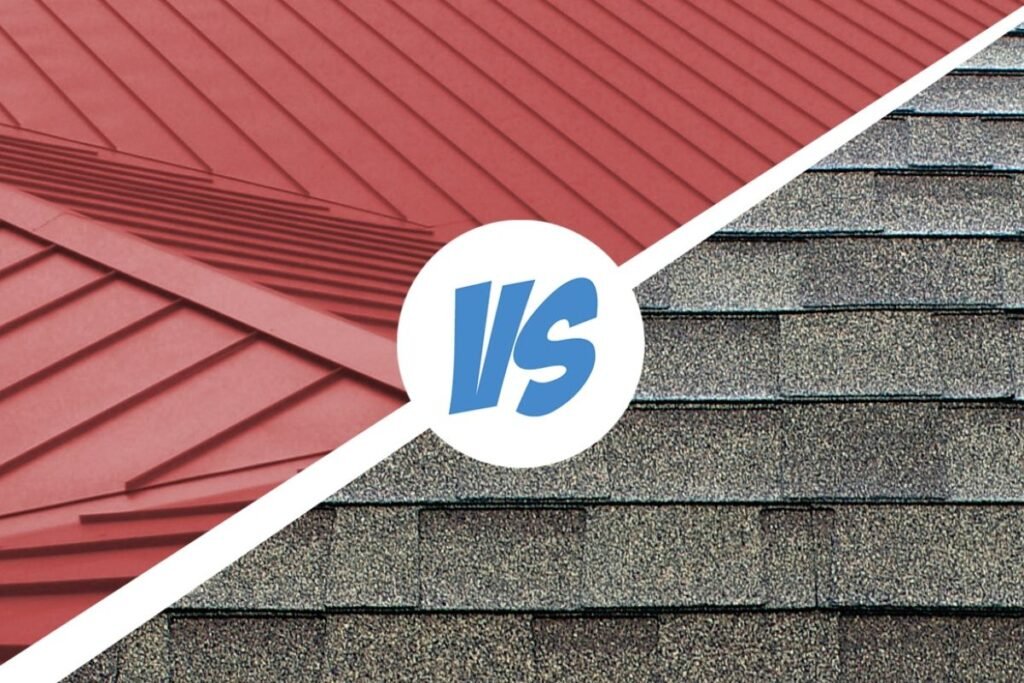
A new roof is not a small purchase. It is one of those home expenses that can make you pause, stare at quotes, and wonder if the cheapest option is really the smartest one. That is exactly why so many homeowners end up comparing metal roofing and shingles side by side. On paper, shingles usually look easier on the wallet. But once you start thinking about repairs, maintenance, lifespan, and energy use, the math gets more interesting.
That is where this question really matters: Metal Roofing vs Shingles: Which Saves More Money Over Time? If you only look at the upfront price, shingles often win. If you look at the bigger picture, metal roofing can start to look like the better long-term deal. The right answer depends on your budget, how long you plan to stay in the home, and how much ongoing maintenance you are willing to deal with.
Why This Roofing Comparison Matters for Your Budget
Roofing decisions are not just about materials. They are about long-term cost. A roof protects everything under it, so when it fails, the bills do not stop at the roof itself. Water damage, insulation issues, interior repairs, and emergency fixes can follow fast. That is why choosing between metal roofing and shingles is really a budgeting decision as much as a home improvement one.
A lot of homeowners make the mistake of focusing only on installation cost. That feels natural because the first number is the one that hurts the most. But long-term ownership works differently. A roof that costs less today may cost more across the next 20 to 40 years. On the other hand, a higher upfront cost can sometimes save money later by cutting repairs, reducing replacement frequency, and lowering upkeep stress.
What Is Metal Roofing?
Metal roofing is a roofing system made from metal panels or metal shingles designed to protect the home for many years. It is known for durability, clean lines, and a longer expected life than many traditional roofing materials. Some homeowners choose it for the sleek look. Others choose it because they are tired of the cycle of patching and replacing.
There are a few common types of metal roofing. Standing seam metal roofs are especially popular because they have raised seams and a modern appearance. Corrugated metal panels are another option and are often associated with a more practical, rugged style. Metal shingles are made to mimic the look of traditional roofing while still offering some of the benefits of metal. Each style has its own price point, but the general appeal is similar: better durability, lower maintenance, and longer-term value.
What Are Asphalt Shingles?
Asphalt shingles are the roofing material most homeowners already know. They are common, easy to source, and generally more affordable upfront. That alone makes them the first option many people consider. If you are trying to keep installation costs manageable, shingles naturally look attractive.
Shingles also come in different grades. Basic 3-tab shingles are usually the cheapest option. Architectural shingles tend to look better and last longer, which makes them a popular middle ground. Premium shingles can offer stronger performance and better style, but even then, they often stay below the upfront price of many metal roofing systems. The big reason people choose shingles is simple: they offer a familiar, budget-friendly way to get the job done fast.
Upfront Cost Comparison: Metal Roofing vs Shingles
If we are talking only about the first bill, shingles usually come out ahead. They are often cheaper to buy, cheaper to install, and easier for many contractors to work with. That can make a shingle quote feel like the obvious choice, especially when money is tight and the roof needs attention now.
Metal roofing usually costs more at the beginning. The material itself can be pricier, and installation may require more skill and labor. This higher entry cost is the biggest reason some homeowners dismiss metal too quickly. But that first number does not tell the whole story. A roof is not like buying a lamp or a rug. You are not just paying for what goes on the house this month. You are paying for how the house will perform for years. That is why the cheaper quote does not automatically mean the cheaper roof.
Lifespan Comparison Over Time
This is where the financial argument starts to shift. A shingle roof may need replacement much sooner than a metal roof. That means the roof that was cheaper at first can become more expensive once you factor in having to do the whole project again later. And no homeowner enjoys the idea of paying for a roof twice.
Metal roofing is often chosen by people who want to install one roof and stop worrying about it for a very long time. That kind of durability can be a real money-saver over the life of the home. Shingles can still be a good choice, especially if you do not plan to stay in the property for decades. But if you are thinking long term, it becomes easier to see why metal roofing gets so much attention. One bigger investment now can sometimes replace two smaller but repeated expenses later.
Maintenance and Repair Costs
A roof is not just about when you buy it. It is also about what it asks from you year after year. This is where metal roofing often feels less demanding. It generally needs less routine attention, and homeowners often like the peace of mind that comes from having a more durable surface overhead. Less fuss can mean fewer repair calls and less surprise spending.
Shingles, on the other hand, may need more frequent attention over time. Missing shingles, curling edges, storm damage, granule loss, and small leaks can slowly turn into recurring costs. One repair may not seem like much. But several repairs spread across many years can quietly eat into the savings you thought you got by choosing the cheaper option. It is a bit like buying bargain shoes that wear out every season. They feel affordable until you realize how often you have to replace them.
Energy Efficiency and Utility Savings
Energy use is another piece of the money puzzle. Some homeowners like metal roofing because it can help reflect more heat, especially in hotter climates. That can make the home feel easier to cool during warm months, which may help with energy costs. Even small monthly savings can matter when you stretch them over many summers.
Shingles tend to absorb more heat, which may make the attic and upper floors warmer. That does not mean shingles are automatically a bad choice. It just means they may not offer the same energy-saving potential in certain situations. If you live somewhere hot and sunny, this part of the comparison deserves attention. A roof does not just sit there looking pretty. It affects how hard your home has to work every day.
Weather Resistance and Damage Risk
Weather is expensive. That is the simplest way to put it. Wind, rain, snow, and intense sun all wear down a roof over time. If your area gets rough weather, durability becomes more than a nice bonus. It becomes a serious money issue. A stronger roof may help reduce repair frequency and protect the rest of the home better.
Metal roofing often appeals to homeowners in places with harsh conditions because it is seen as tougher and more resistant to certain kinds of damage. Shingles can still perform well, but they may be more vulnerable to wear in challenging climates. If storms are common where you live, it makes sense to think beyond the installation bill. A roof that stands up better to weather may save money simply by avoiding repeated fixes and headaches.
Home Value and Resale Impact
A roof can also affect how buyers see your home. Even people who do not know much about construction tend to understand the basic difference between an aging roof and a durable one. A newer, longer-lasting roof can help a home feel more attractive in the market, especially if buyers believe they will not have to replace it anytime soon.
That said, resale value depends on timing. If you plan to sell soon, shingles may still make more financial sense because they cost less upfront and can still make the home look well-maintained. If you plan to stay for many years, metal roofing may offer stronger long-term value because you get to enjoy the durability yourself before selling. In other words, the better investment depends on whether you are buying for your next few years or your next few decades.
Insurance and Long-Term Ownership Costs
Some homeowners also look into insurance costs when comparing roof types. In some cases, a more durable roof may be viewed more favorably than a less durable one. That could influence long-term ownership cost. It is not something to assume, but it is worth asking about when you request quotes and compare options.
This matters because many roofing decisions are made too narrowly. People compare material cost and stop there. But real homeownership is a stack of many small expenses. Repairs, maintenance, cooling bills, possible insurance differences, and replacement timing all add up. A roof is not just a product. It is part of the long-term financial behavior of the house.
When Metal Roofing Saves More Money
Metal roofing often makes the most sense when you plan to stay in the home for a long time. The longer you remain there, the more chance you have to benefit from the roof’s durability, lower maintenance needs, and possible energy savings. It is usually the better fit for homeowners who want fewer future projects and less ongoing stress.
It can also be the stronger financial choice in areas with tough weather. When a roof has to deal with heat, storms, wind, or heavy seasonal wear, strength matters more. If you hate surprise repairs, dislike recurring maintenance, and prefer to make one bigger investment rather than many smaller ones, metal roofing may end up saving you more money over time.
When Shingles Save More Money
Shingles can still be the smarter money move in the right situation. If your budget is tight and the roof needs replacing now, the lower upfront cost can be a huge advantage. Sometimes cash flow matters more than long-term theory. A roof you can afford today is better than a better roof you cannot reasonably pay for.
Shingles also make sense if you expect to sell the home sooner rather than later. In that case, you may not stay long enough to fully benefit from the longer lifespan of metal roofing. For short- to medium-term ownership, the lower initial investment can be easier to justify. Shingles may not win the lifetime value contest, but they can absolutely win the practical budget contest depending on your timing.
A Real-World Way to Think About the Long-Term Cost
Let’s look at this in a simple, practical way. Imagine shingles cost much less today, and metal roofing costs much more. In the first 10 years, shingles may look like the winner because you spent less upfront and may not have faced major issues yet. That is why so many homeowners choose them. The short-term math feels comforting.
Now stretch the timeline. Over 20 years, repair needs, patch jobs, and wear may start to shift the picture. Stretch it even further, and replacement timing can change everything. If shingles need major work or full replacement while the metal roof is still performing well, the cheaper option no longer looks so cheap. That is the heart of this article’s question. The answer changes depending on how far into the future you are willing to look.
Biggest Mistakes Homeowners Make When Comparing Roof Costs
One of the biggest mistakes is choosing the lowest quote without asking what it actually includes. Two roofing quotes can look similar at first glance but be very different in quality, warranty, installation standards, and long-term durability. Cheap can be expensive when corners are cut.
Another mistake is ignoring future ownership costs. A homeowner might compare only material and labor, then forget to think about maintenance, storm resistance, cooling impact, and how long the roof is likely to last. It is also common to choose based on emotion alone. Some people love the look of one material and stop the comparison there. Style matters, but a roof is a major financial decision, not just a curb appeal upgrade.
How to Decide Which Roofing Option Is Better for You
The best choice depends on your real-life situation, not just a general rule from the internet. Start with your timeline. Are you staying in the home for five years, fifteen years, or the rest of your life? That answer changes the value equation fast. Then think about your budget. Can you comfortably handle a larger upfront cost, or do you need the more affordable option now?
Next, consider your climate and your tolerance for maintenance. If you live in a place with tough weather and want a roof that asks less from you, metal may feel worth the higher price. If you need a solid, practical solution with a lower initial bill, shingles may fit better. The smartest move is to compare multiple quotes, ask about lifespan and warranty, and think in terms of total cost of ownership, not just day-one cost.
FAQs
Is metal roofing cheaper than shingles in the long run?
It can be. While it usually costs more upfront, metal roofing may save money over time through a longer lifespan, lower maintenance, and fewer replacements.
Do shingles always cost less upfront?
In most cases, yes. Shingles are generally more affordable at the start, which is why they remain such a common choice.
Is metal roofing worth it if I plan to stay in my home for a long time?
For many homeowners, yes. A longer ownership timeline gives you more time to benefit from the roof’s durability and lower upkeep.
When do shingles make more financial sense?
Shingles often make more sense when you have a limited budget or expect to sell the home before long-term savings from metal roofing really kick in.
What matters most when comparing roofing costs?
The most important factor is total cost of ownership. That includes installation, maintenance, repair risk, lifespan, and how long you plan to stay in the home.
Conclusion
So, Metal Roofing vs Shingles: Which Saves More Money Over Time? The honest answer is that shingles usually save more money upfront, while metal roofing can save more money in the long run for the right homeowner. If you plan to stay in your home for many years, want fewer repairs, and care about long-term value, metal roofing may be the better investment. If your budget is tighter or you expect to move sooner, shingles may be the more practical choice.
The cheapest roof today is not always the cheapest roof over time. That is the real takeaway. A smart roofing decision is not just about what you pay now. It is about what the roof keeps costing you, or stops costing you, for years to come.